
Temperature Chart Blanket Guide for Horses: A Comprehensive Overview (12/24/2025)
Today’s date is December 24, 2025, at 02:05:26. Effective horse care necessitates understanding when to blanket, considering age, health, and weather.
Blanketing decisions depend on temperature; a guide ensures comfort throughout changing seasons, preventing chilling or overheating.
Removing blankets on warmer days prevents sweating, while airing them out maintains coat health and blanket longevity.
Proper blanket selection and fit are vital, even the best blanket is useless if it doesn’t fit correctly.
Miniature horses, though resembling full-sized breeds, require specifically sized blankets for optimal coverage and comfort.
Understanding the Basics of Horse Blanketing

Horse blanketing is a practice rooted in providing supplemental warmth, but it’s far more nuanced than simply throwing a cover on your equine companion. It’s a crucial aspect of responsible horse ownership, particularly during colder months, but also relevant for horses with specific needs. Understanding why we blanket is the first step.
Blanketing isn’t a one-size-fits-all solution. Factors like a horse’s age, body condition, health status, and whether they are clipped for work all play significant roles. Older horses, for instance, often struggle to maintain body temperature, while clipped horses lose their natural insulation. A horse’s ability to grow a winter coat is also a key consideration.
The core principle revolves around extending the horse’s thermoneutral zone – the temperature range where they maintain a stable body temperature without expending extra energy. Blanketing helps bridge the gap when environmental temperatures dip below this zone. However, over-blanketing can be detrimental, leading to overheating and a damp, uncomfortable coat. Careful observation and a temperature-based approach are essential for successful blanketing.
Ultimately, the goal is to keep your horse comfortable and healthy, supporting their natural thermoregulation rather than disrupting it.
Why Blanket a Horse? Factors to Consider
Deciding whether to blanket requires careful evaluation of several interconnected factors. A horse’s natural ability to regulate body temperature is paramount; a thick winter coat provides substantial insulation. However, horses that are clipped for competition or work lose this natural protection, necessitating blanketing when temperatures fall.
Age is a significant consideration. Senior horses often have diminished thermoregulatory capabilities and benefit from supplemental warmth. Conversely, young, healthy horses with robust winter coats may not require blanketing unless exposed to extreme conditions.
Body condition score (BCS) also plays a role. Horses with lower BCS have less fat reserves for insulation and may need blanketing at slightly warmer temperatures. Health conditions, such as Cushing’s disease, can also impact a horse’s ability to stay warm.
Finally, consider the environment. Wind chill, precipitation, and prolonged exposure to cold temperatures all increase the need for blanketing. Regularly monitoring the weather and observing your horse’s behavior are crucial for making informed decisions.
Horse Age and Blanketing Needs
A horse’s age significantly influences its blanketing requirements, stemming from physiological changes throughout its life. Young foals, with underdeveloped thermoregulation, are particularly vulnerable to cold stress and may need blankets even at moderate temperatures, especially if their dams aren’t providing sufficient shelter.
Prime-age horses, generally healthy and with robust coats, often require less blanketing. Their natural insulation is typically sufficient unless they are clipped or exposed to harsh conditions. However, individual variations exist, and monitoring their comfort level is key.
Senior horses, however, experience a decline in thermoregulatory efficiency. They lose muscle mass and fat, reducing their natural insulation. Consequently, older horses generally require blanketing at warmer temperatures than younger, healthier horses.
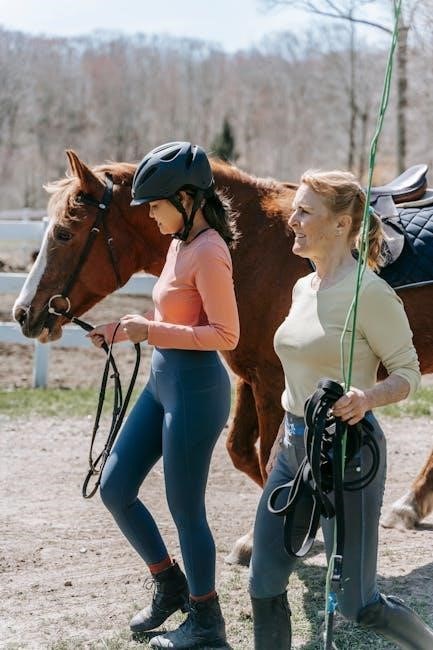
Consistent observation is vital. Look for signs of shivering, seeking shelter, or a hunched posture, indicating cold stress. Adjust blanketing accordingly, prioritizing the horse’s comfort and well-being throughout the colder months.
Horse Health Conditions & Blanketing
Certain health conditions necessitate careful consideration when deciding whether or not to blanket a horse. Horses with Cushing’s disease (PPID) often struggle to regulate their body temperature and may require earlier and more consistent blanketing, even at slightly warmer temperatures, to prevent discomfort.
Horses recovering from illness or surgery may have compromised immune systems and reduced ability to maintain body heat. Blanketing can provide crucial support during their recovery period, preventing secondary complications from cold stress.
Arthritic horses benefit from warmth, as cold temperatures can exacerbate joint pain and stiffness. Blanketing can help improve circulation and reduce discomfort, enhancing their mobility and quality of life.
Respiratory issues also warrant caution. Ensure blankets don’t restrict breathing or contribute to moisture buildup, which can worsen respiratory problems. Always consult with a veterinarian to determine the most appropriate blanketing strategy for horses with pre-existing health concerns.
Body Condition Score and its Influence
A horse’s Body Condition Score (BCS) significantly impacts blanketing decisions. Horses with a healthy BCS (around 5-6 on a 1-9 scale) generally have sufficient fat reserves to withstand moderate temperature drops without needing a blanket immediately.
However, horses with a low BCS – those who are thin or underweight – are more sensitive to cold and require blanketing at slightly higher temperatures. They lack the insulating fat layer needed to maintain body heat efficiently.
Conversely, horses with a high BCS may overheat easily, even in moderately cool weather. Careful monitoring is crucial to avoid excessive sweating and discomfort. They might need less blanketing or lighter-weight options.
Regularly assessing your horse’s BCS allows you to tailor your blanketing strategy to their individual needs. Combine BCS evaluation with temperature guidelines and consider other factors like age and health for optimal cold-weather management.

Temperature Guidelines for Blanketing
Utilizing a temperature guide is essential for effective horse care during colder months, ensuring comfort and preventing both chilling and overheating.
These guidelines offer a starting point, but always consider individual horse factors alongside the current weather conditions.
Above 50°F (10°C): No Blanket Needed
When temperatures consistently remain above 50°F (10°C), most horses do not require a blanket. This temperature range generally provides comfortable conditions for horses with healthy coats, allowing them to regulate their body temperature naturally.
Blanketing at these temperatures can actually be detrimental, potentially leading to overheating and sweat, which can then chill the horse as the temperature drops. It’s crucial to allow the horse’s natural thermoregulation system to function effectively.
However, exceptions exist. Horses that have been clipped for competition or work, or those with underlying health conditions that compromise their ability to stay warm, may still benefit from a light covering even within this temperature range. Always assess your individual horse’s needs.
Monitoring the horse’s behavior and physical condition is key; shivering or seeking shelter indicates a need for a blanket, while signs of discomfort or sweating suggest removing any covering.
40-50°F (4-10°C): Light Blanket Consideration
Within the 40-50°F (4-10°C) range, careful consideration should be given to blanketing your horse. This is a transitional temperature zone where individual needs vary significantly. Horses with thick winter coats may still not require a blanket, while others may benefit from a light layer of protection.
A light blanket, such as a sheet or lightweight turnout blanket, can help maintain core body temperature without causing overheating. This is particularly important for horses that are older, have a lower body condition score, or are recovering from illness.
Clipped horses absolutely require a blanket in this temperature range, as they lack the natural insulation of a full winter coat. Regularly check for signs of shivering or discomfort, adjusting the blanket accordingly.
Remember to monitor weather forecasts; a sudden drop in temperature may necessitate a heavier blanket, while a warmer day calls for removal to prevent sweating and chilling.
30-40°F (-1-4°C): Medium Weight Blanket
When temperatures fall between 30-40°F (-1-4°C), a medium-weight blanket is generally recommended for most horses. This range signifies a need for increased insulation to maintain comfortable body temperature, especially during prolonged exposure to the cold.
A medium-weight turnout blanket provides a good balance between warmth and breathability, preventing overheating while offering sufficient protection against the chill. Horses with average winter coats, those in moderate work, and healthy adults typically thrive with this level of coverage.
However, consider individual factors. Clipped horses, senior horses, or those with underlying health conditions may require a heavier weight. Always assess your horse’s behavior for signs of being too cold or too warm.
Regularly check for proper fit and ensure the blanket isn’t causing rubs or pressure points. Consistent monitoring of both the weather and your horse’s condition is crucial for optimal comfort.
20-30°F (-7- -1°C): Heavy Weight Blanket
As temperatures dip into the 20-30°F (-7 to -1°C) range, transitioning to a heavy-weight blanket becomes essential for many horses. This temperature bracket demands significant insulation to combat the increasing cold and prevent heat loss, particularly during extended periods outdoors.
A heavy-weight turnout blanket offers substantial warmth, suitable for horses with thinner winter coats, those who are clipped, or senior horses who struggle to maintain body heat. It’s also appropriate for horses in work who may be exposed to cold winds.
Careful observation is key. Monitor your horse for shivering, seeking shelter, or other signs of cold stress. Conversely, watch for signs of overheating, like sweating. Adjust blanket weight accordingly.
Ensure a proper fit to avoid rubs and pressure sores. Regular checks are vital, alongside maintaining a dry blanket to maximize its insulating properties and your horse’s comfort.
Below 20°F (-7°C): Extra Heavy Weight Blanket or Stable Blanket
When temperatures plummet below 20°F (-7°C), horses require the highest level of protection. An extra heavy-weight turnout blanket is crucial for horses remaining outdoors, providing maximum insulation against the severe cold. Alternatively, if stabled, a stable blanket offers sufficient warmth.
Consider a blanket with a waterproof and windproof outer layer to shield against harsh elements. For horses prone to shivering, layering blankets can provide additional insulation, but ensure proper fit to avoid restriction of movement.
Regularly check for signs of discomfort, such as shivering or excessive bunching of the blanket. Maintaining a dry blanket is paramount, as wet insulation loses its effectiveness.
For stabled horses, ensure adequate ventilation to prevent moisture buildup and maintain air quality. Prioritize safety by avoiding blanket straps that could pose entanglement hazards. Consistent monitoring is vital during extreme cold.
Types of Horse Blankets
Horse blankets vary in weight and purpose, ranging from sheets for minimal coverage to heavy-weight turnouts for frigid conditions.
Stable blankets provide indoor warmth, while lightweight options suit milder temperatures.
Sheet Blankets: For Minimal Coverage
Sheet blankets represent the lightest form of horse covering, primarily utilized during transitional weather or as a protective layer to prevent coat dulling. They offer minimal insulation, typically lacking any fill material, making them ideal for temperatures just above the blanketing threshold.
These blankets are excellent for keeping a horse clean while stabled or during travel, shielding their coat from dust and debris. They also serve as a comfortable base layer under heavier blankets, preventing rubbing and adding a touch of warmth without overheating.
Sheet blankets are particularly useful for horses who are clipped, providing a slight barrier against chills without causing excessive sweating. They are not designed for significant cold protection and should be paired with heavier blankets when temperatures drop considerably. Choosing the correct size is crucial to avoid chafing or shifting, ensuring the horse remains comfortable and protected.
Consider a sheet blanket as a versatile tool for maintaining coat condition and providing a subtle layer of comfort during mild weather fluctuations.
Lightweight Turnout Blankets: Mild Weather Protection
Lightweight turnout blankets are designed for mild to moderate temperatures, typically ranging from 40-50°F (4-10°C). These blankets offer a minimal amount of insulation, usually between 70-100 grams of fill, providing sufficient warmth without causing overheating during fluctuating conditions.
They are constructed from durable, waterproof, and breathable materials, protecting horses from light rain, wind, and snow. Lightweight blankets are ideal for horses with a good body condition score who require only a slight barrier against the elements. They are also suitable for horses who are actively working and generate their own body heat.
Proper fit is essential to prevent rubbing and ensure full coverage. Look for features like adjustable closures and a comfortable lining. These blankets are a versatile option for extending the blanketing season and providing comfortable protection during transitional weather patterns. Regular inspection for wear and tear is crucial for maintaining their effectiveness.
Consider a lightweight turnout blanket as a practical solution for mild weather protection and maintaining your horse’s comfort.

Medium Weight Turnout Blankets: Versatile Use
Medium weight turnout blankets offer a balance of warmth and breathability, making them exceptionally versatile for a wider range of temperatures – generally between 30-40°F (-1-4°C). These blankets typically feature 200-300 grams of fill, providing substantial insulation against colder conditions while still allowing for some airflow to prevent overheating.
Constructed from durable, waterproof, and breathable fabrics, they shield horses from rain, wind, and snow. They are an excellent choice for horses who experience fluctuating temperatures or those who are moderately clipped. Medium weight blankets are also suitable for horses with average body condition scores needing moderate protection.
Ensure a snug but not restrictive fit, checking for proper shoulder and chest coverage. Features like tail flaps and belly straps enhance protection. Regular cleaning and repair will extend the blanket’s lifespan. These blankets represent a practical, all-around solution for many climates and horse types.
A medium weight turnout blanket is a reliable choice for adaptable protection throughout the season.
Heavyweight Turnout Blankets: Coldest Conditions
Heavyweight turnout blankets are designed for the most frigid temperatures, typically below 20°F (-7°C), offering maximum warmth and protection. These blankets generally contain 300 grams or more of fill, providing substantial insulation against extreme cold. They are essential for horses living in harsh winter climates or those heavily clipped for competition;
Constructed from robust, waterproof, and windproof materials, they effectively shield horses from the elements. Look for features like a high neck, tail flap, and secure belly straps to minimize heat loss and prevent drafts. Proper fit is crucial; ensure adequate shoulder room and chest coverage to avoid rubs.
Regularly inspect the blanket for damage and repair any tears promptly. While providing excellent warmth, monitor your horse for signs of overheating, especially during milder periods. Heavyweight blankets are a vital investment for maintaining your horse’s comfort and health during severe winter weather.
Selecting a heavyweight blanket ensures your horse remains cozy and protected in the coldest conditions.
Stable Blankets: Indoor Warmth
Stable blankets are specifically designed to provide warmth for horses housed indoors, such as in barns or stalls. Unlike turnout blankets, they don’t require waterproof or windproof materials, focusing instead on insulation and comfort. Typically, stable blankets feature a lighter denier outer shell and a plush inner lining.
These blankets are ideal for clipped horses, older horses, or those recovering from illness, offering an extra layer of warmth during colder months. They come in various weights, allowing you to adjust the level of insulation based on the barn’s temperature and your horse’s individual needs.
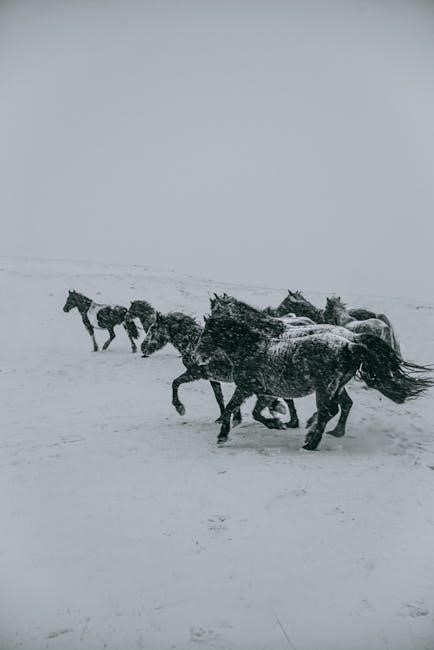
Ensure a secure but comfortable fit, avoiding any pressure points. Regularly check for cleanliness and remove any accumulated shavings or debris. Stable blankets are a valuable tool for maintaining your horse’s well-being and preventing chilling while stabled.
Providing indoor warmth is crucial for maintaining a comfortable and healthy environment for your equine companion.

Blanket Fit and Maintenance
Proper fit is paramount; a too-small blanket causes rubs, while a loose one risks shifting and potential safety hazards.
Regularly inspect for pressure points and ensure comfortable movement.
Cleaning and repair extend blanket life, maintaining hygiene and functionality.
Proper Blanket Sizing: Avoiding Common Mistakes
Accurate sizing is crucial for a horse’s comfort and safety. Many owners mistakenly believe a larger blanket is better, but this leads to increased risk of entanglement and rubbing. The most common error is failing to measure correctly – always use a diagonal measurement from the center of the shoulder to the point of the buttock.
Blankets are typically measured in inches, and horses are categorized into sizes like 68″, 72″, 76″, and 80″. Don’t assume your horse is a standard size; individual variations exist. A blanket that’s too small restricts movement and can cause sores, while an oversized blanket can slip, potentially causing a leg to become entangled.
Consider the blanket’s cut – some are designed for specific body types. High-wither blankets accommodate horses with prominent withers, preventing pressure and rubs. Always check for adequate shoulder room and ensure the blanket doesn’t pinch or bind. Remember, even the most expensive blanket is ineffective if it doesn’t fit properly!
Checking for Rubs and Pressure Points
Regularly inspecting your horse under the blanket is paramount for preventing discomfort and skin irritation. Daily checks, especially with a new blanket or during periods of rapid growth, are essential. Focus on areas prone to rubbing: shoulders, withers, chest, and the base of the tail.
Feel for heat or sensitivity, indicating potential pressure points. Gently run your hand over these areas, looking for redness, hair loss, or open sores. Pay close attention to horses with high withers, as blankets can easily create pressure in this region. Ensure the blanket isn’t too tight, restricting movement or circulation.
If you detect any rubs or pressure points, immediately remove the blanket and address the issue. Consider using a blanket liner or adjusting the fit. Don’t ignore early signs – small rubs can quickly escalate into more serious wounds. Consistent monitoring safeguards your horse’s well-being and ensures comfortable blanketing.
Blanket Cleaning and Repair
Maintaining a clean and well-repaired blanket extends its lifespan and protects your horse’s skin. Regular cleaning removes dirt, sweat, and potential irritants that can cause rubs or infections. Follow the manufacturer’s instructions carefully; many blankets require professional cleaning or specific washing cycles.
Avoid harsh detergents or bleach, as these can damage the fabric. After washing, ensure the blanket is thoroughly dry before storing or using it. Inspect for tears, ripped seams, or broken buckles. Small repairs, like patching minor holes or re-stitching seams, can prevent larger issues.
Replace damaged straps or buckles promptly. A compromised blanket offers reduced protection and can pose a safety hazard. Proper storage – clean, dry, and protected from pests – is also crucial. Investing in blanket repair ensures continued functionality and value, safeguarding your horse’s comfort and well-being throughout the season.
Miniature Horse Blanket Sizing
Accurate sizing is paramount when blanketing miniature horses, as standard horse blanket sizes won’t fit correctly. Miniature horses typically stand no taller than 34 to 38 inches at the withers, possessing a refined build distinct from larger breeds. Measuring from the center of the chest to the point of the buttock is crucial for determining length.
Miniature horse blankets are specifically designed to accommodate their smaller stature and conformation. Look for blankets labeled “miniature” or “small pony” and consult sizing charts provided by the manufacturer. Pay attention to chest circumference and blanket width to ensure a comfortable, non-restrictive fit.

Avoid blankets that are too long or wide, as they can interfere with movement. Conversely, a blanket that’s too small can cause rubs and pressure points; Proper fit is essential for both warmth and safety, allowing your miniature horse to move freely and comfortably during colder months.