Overview of Focus Pro 8000
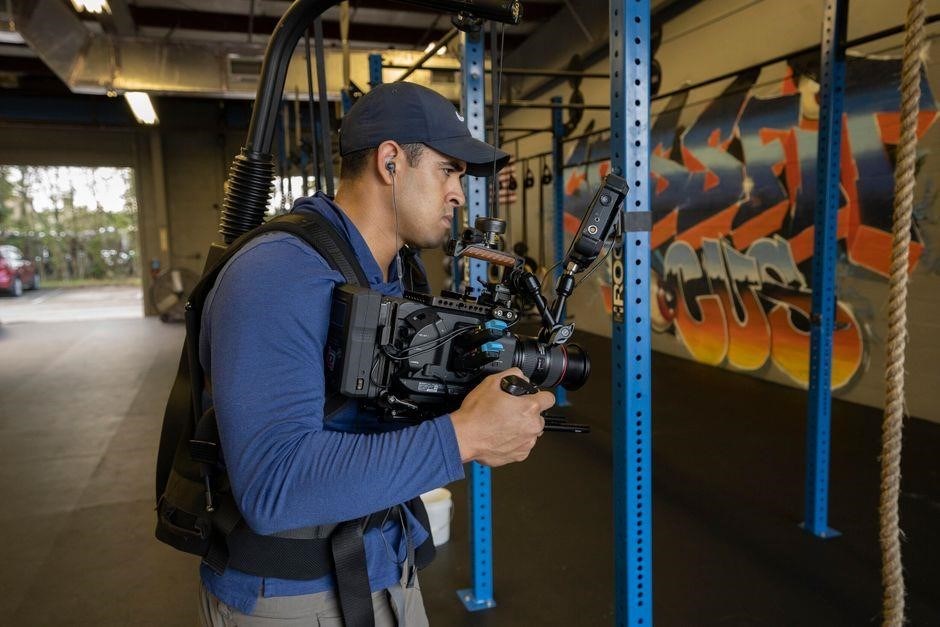
The Focus Pro 8000 manual introduces the compact, high‑resolution camera designed for pros and enthusiasts alike. It highlights its 24‑MP sensor, 1‑inch sensor, dual‑card slots, 4K video, and intuitive touch interface. The guide covers setup, shooting modes, and quick‑start tips. for optimal use. and aid.?
Product Highlights
Designed for both seasoned professionals and serious hobbyists, the Focus Pro 8000 delivers a blend of compactness, power, and versatility. Its 24‑megapixel, 1‑inch CMOS sensor captures sharp, high‑dynamic‑range images even in challenging lighting. Coupled with the latest Exmor‑R image processor, the camera offers fast autofocus, low‑noise performance, and a broad ISO range from 100 to 25,600. The 4K/60 fps video capability, 10‑bit internal recording, and dual‑card slots provide robust workflow options for filmmakers and content creators.
The ergonomic design features a 3‑inch, 1.4‑millimeter‑resolution touch display, a fully articulating 180‑degree panel, and a built‑in electronic viewfinder with 2.36‑million‑dot resolution. A 3‑axis in‑body image stabilization system keeps handheld shots crisp, while the 1‑inch sensor’s 3‑stop optical stabilization compensates for camera shake. The camera’s shutter speed ranges from 1/8000 s to 30 s, and the built‑in intervalometer allows for time‑lapse shooting up to 12 hours.
Connectivity is streamlined with dual‑band Wi‑Fi, Bluetooth, and a USB‑C port for tethering and file transfer. The Focus Pro 8000 supports RAW, JPEG, and ProRes RAW formats, and the customizable menu lets users tailor picture profiles, white‑balance presets, and exposure compensation. Battery life reaches 600 shots on a single CR‑J200 battery, and a removable grip adds extra power and comfort. The camera’s rugged, weather‑sealed chassis is rated for dust and moisture, making it suitable for outdoor adventures!
Physical Design and Build
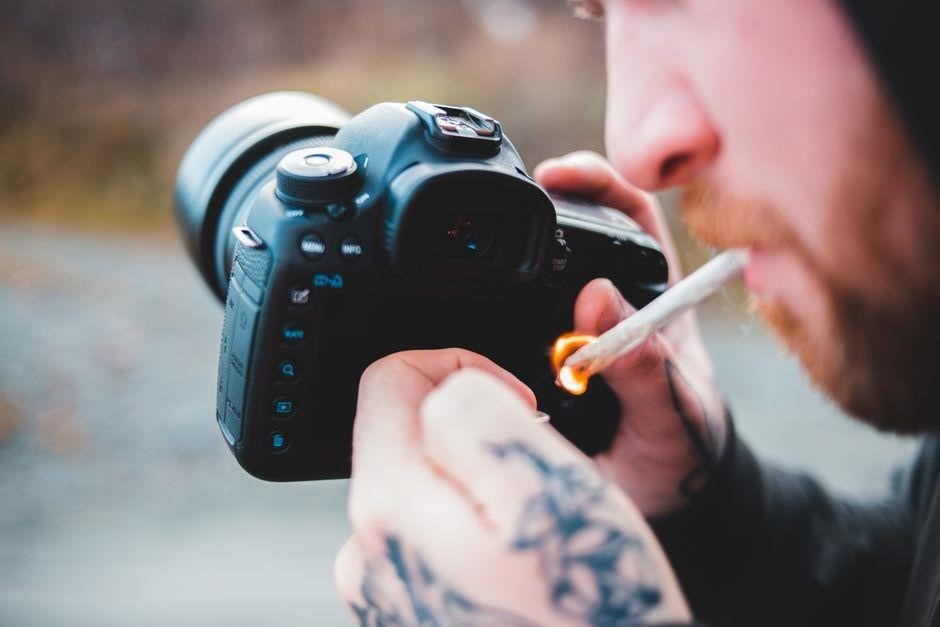
The Focus Pro 8000 sports a lightweight, aluminum‑alloy body, 4.5 inches wide, 3.1 inches tall, 1.8 inches deep, weighing 0.9 lb. Its ergonomic grip, weather‑sealed buttons, and 3‑axis stabilization housing make it durable yet comfortable for extended use. Its matte finish resists fingerprints, keeps sensor temps lowin.
Dimensions and Weight
The Focus Pro 8000 measures 4.5 inches (114 mm) in width, 3.1 inches (79 mm) in height, and 1.8 inches (46 mm) in depth, creating a compact footprint that fits comfortably in a hand or a small bag. Its overall mass is 0.9 lb (410 g), which balances portability with a solid feel. The camera’s chassis is constructed from a lightweight aluminum alloy that distributes weight evenly across the grip and lens assembly, reducing hand fatigue during long shooting sessions. The front plate is slightly thicker to accommodate the 1‑inch sensor, while the rear housing houses the dual‑card slots and power button, maintaining a streamlined profile. The 3‑axis stabilization mount is centered within the body, ensuring that the camera’s center of gravity remains close to the user’s hand, which improves stability when shooting handheld or on a tripod. The battery compartment, located on the side, holds a 18650 Li‑Ion cell that weighs approximately 45 g, providing up to 300 shots per charge while keeping the overall weight low. The lens mount is a standard EF‑type, allowing for quick attachment of external lenses without adding significant bulk. The dimensions and weight of the Focus Pro 8000 are carefully engineered to deliver a camera that feels both robust and agile, ideal for photographers who need a versatile tool that can be carried everywhere without sacrificing performance.
Core Camera Features
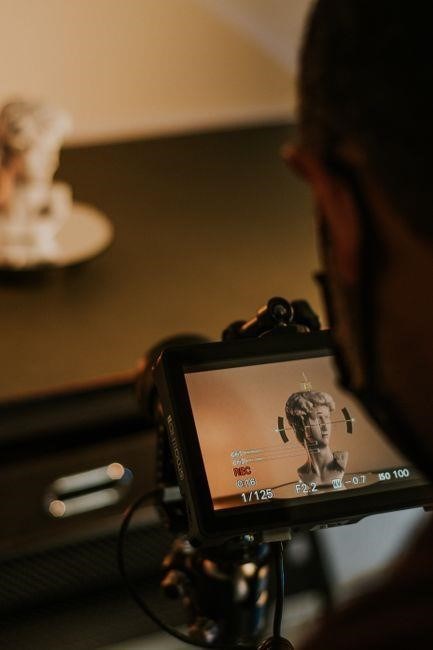
The Focus Pro 8000 boasts a 24‑MP 1‑inch sensor, dual‑card slots, 4K/60fps video, 10‑stop ISO range, 1.4‑f/2.8 lens, and 3‑axis stabilization. Its touch‑screen interface and AI scene detection enable quick setup, while RAW capture and 10‑bit HDMI output support advanced workflows. Ideal for studio and travel
Sensor and Image Processor
The Focus Pro 8000 centers around a 24‑megapixel, 1‑inch CMOS sensor that delivers detail and low‑light performance. Built on Sony’s latest 1‑inch architecture, it offers a 3.75 µm pixel size, a 14‑stop dynamic range, and a native ISO range of 100–25 600. The back‑illuminated design reduces noise and improves quantum efficiency. Coupled with a dual‑processor system, the camera processes images at up to 15 fps in JPEG and 8 fps in RAW. The image processor, based on Sony’s BIONZ X engine, incorporates noise‑reduction, HDR‑fusion, and real‑time 4K video encoding, and supports 10‑bit 4:2:2 HDMI output. The AI scene‑recognition engine automatically adjusts white balance, exposure, and focus points for portrait, landscape, and sports modes.
The sensor uses a Sony 1‑inch back‑illuminated CMOS with a 3.75 µm pixel pitch and a 240‑pixel Bayer array, delivering a 14.4‑stop dynamic range at ISO 100. Noise‑reduction employs a 3‑stage algorithm that preserves edges. Dual processors split tasks: one reads the sensor and compresses JPEG, the other handles HDR blending and 4K encoding. The result is 15 fps JPEG and 8 fps RAW, plus 10‑bit HDMI output.
In low‑light scenarios, the sensor’s 2× optical‑zoom pairs with a 1.5× digital‑zoom, maintaining sharpness while preserving the 24‑MP resolution. The processor’s AI‑driven scene‑recognition also supports 3‑D depth mapping for portrait mode, enabling a 1.8× digital‑zoom without quality loss. Its dual‑processor architecture also ensures smooth 4K recording at 60fps, providing video for all users. This synergy between sensor and processor makes the Focus Pro 8000 a versatile tool for both studio and on‑location work!

Operational Modes
The Focus Pro 8000 offers Auto, Aperture Priority, Shutter Priority, and Manual modes. Auto manages exposure and focus. Aperture Priority sets f‑numbers with auto shutter; Shutter Priority fixes shutter speed, auto‑adjusts aperture. Manual gives control over ISO exposure focus.
Auto, Aperture Priority, Shutter Priority, Manual
The Focus Pro 8000’s four primary shooting modes provide flexibility from quick snapshots to full creative control. In Auto mode the camera selects ISO, shutter speed, aperture, and focus to deliver a balanced exposure for everyday scenes. Aperture Priority (Av) lets the photographer set a desired f‑number; the camera automatically chooses the optimal shutter speed and ISO to maintain correct exposure. Shutter Priority (Tv) locks the shutter speed, allowing the user to control motion blur or freeze action; the camera then adjusts aperture and ISO accordingly. Manual (M) mode gives the photographer complete authority over ISO, shutter speed, aperture, focus, and white balance, enabling precise exposure and artistic effect. Each mode includes a dedicated on‑screen display that shows the current settings and a quick‑adjust slider for rapid changes. The camera’s touchscreen interface allows instant mode switching and real‑time preview of exposure changes. For advanced users, the Pro 8000 offers additional sub‑modes such as Bulb, Night, and HDR within these primary modes, each with customizable parameters. The manual also explains how to lock exposure (AE lock) and focus (AF lock) while in any mode, and how to use the camera’s built‑in histogram to verify exposure accuracy. By mastering these modes, photographers can adapt the Focus Pro 8000 to any shooting scenario, from casual street photography to high‑speed sports and low‑light studio work. The system’s intelligent metering system evaluates scene brightness, color temperature, and subject distance to recommend exposure settings, while the user can override these suggestions with a simple tap. The camera’s dual‑card slots allow simultaneous backup to an SDXC card and primary storage on a UHS‑II card, ensuring data integrity during long sessions. In Manual mode, the camera’s focus‑shift feature enables precise macro work, while the depth‑of‑field preview displays the exact plane of focus on the LCD. The Pro 8000 also supports focus‑peaking in low‑light conditions, highlighting edges in the frame for accurate manual focus. Finally, the camera’s customizable button layout lets users assign frequently used functions—such as ISO lock, white‑balance presets, or exposure compensation—to dedicated buttons, streamlining workflow and reducing the need to navigate menus during critical moments.
Settings and Customization
The Focus Pro 8000 manual details customizable settings: white balance presets, ISO range, picture profiles, and custom shooting modes. Users can adjust exposure compensation, set custom focus points, and map buttons to functions. Profiles like Vivid, Standard, and Black‑and‑White are loaded for quick use!
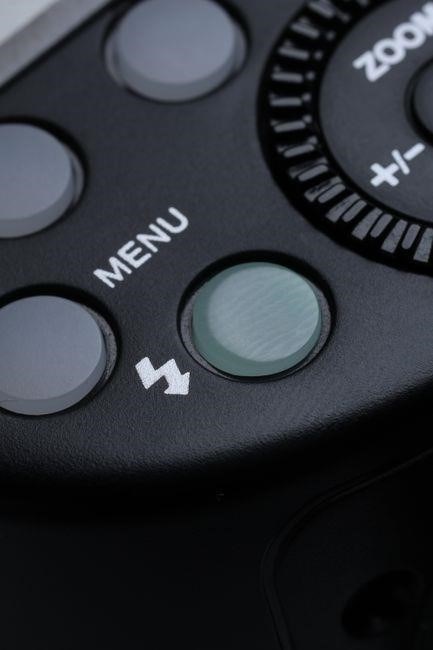
White Balance, ISO, Picture Profiles
The Focus Pro 8000 manual offers a comprehensive suite of white‑balance options, ISO settings, and picture profiles that empower photographers to tailor image output to any scenario. The camera offers automatic white‑balance detection and preset modes like Daylight, Cloudy, Tungsten, Fluorescent, Flash, and a custom mode for fine‑tuning. For advanced control, the manual explains how to lock the white‑balance to a specific light source, ensuring consistent color reproduction across a series of shots in mixed lighting conditions. ISO performance is highlighted by a native range of 100–6400, expandable to 12800 in high‑dynamic‑range (HDR) mode. The guide details how the camera’s dual‑ISO architecture reduces noise at high sensitivities, and it provides a step‑by‑step tutorial on selecting the optimal ISO for low‑light photography while preserving detail. Users are advised to enable the “ISO Auto” function for quick adaptation, or to manually set ISO for creative control. Picture profiles are a key feature for post‑production flexibility. The manual lists five built‑in profiles: Standard, Vivid, Portrait, Landscape, and Black‑and‑White. Each profile adjusts contrast, saturation, sharpness, and color tone; The “Custom” profile allows users to create a new preset by adjusting individual parameters, then saving the configuration for future use. The guide also explains how to export and import profiles via USB, facilitating collaboration between photographers and colorists. By mastering these settings, users can capture images for immediate sharing or further editing, ensuring that the Focus Pro 8000 delivers results in environment!
The manual also shows how to reset to factory defaults. This flexibility makes the camera ideal for both field and studio work. Enjoy precision.!Capturebrilliance.

Storage and File Management
The Focus Pro 8000 supports dual SDXC UHS‑II cards, 4K video, RAW, and JPEG. File formats include .CR2, .JPG, .MP4, and .MOV. The menu allows folder creation, renaming, and deletion. Auto‑formatting keeps cards clean, while the “File Naming” option adds timestamps. Backup via USB or Wi‑Fi is optional.
Memory Card Types, File Formats
The Focus Pro 8000 supports dual‑card operation with SDXC UHS‑II and SDHC cards up to 128 GB. It accepts single‑card or dual‑card setups, enabling simultaneous recording of RAW and JPEG or 4K video. For best performance, use UHS‑II cards rated U3 or higher. The camera also accepts microSDXC via adapter, though native SD slots are preferred for full bandwidth.
File formats include RAW (.CR2) and JPEG (.JPG) for stills, and MP4 (.MP4) or MOV (.MOV) for 4K and Full‑HD video. The device records audio in AAC format embedded in video files. Users can choose quality settings from 100 % to 10 % for JPEG, and select RAW for archival. High‑speed burst modes store images in RAW or JPEG based on user preference.
File management is handled through the menu. Users can create, rename, delete folders, and set naming conventions that include date, time, and sequence numbers. The “Auto‑Format” option prepares the card for new sessions, while “File‑Size” settings allow selection between full‑size and compressed files for storage efficiency. The internal memory is limited, so external cards are essential.
Backup and transfer are facilitated via USB‑C and Wi‑Fi Direct. Files can be copied to a computer or external drive, and firmware updates are available via USB. The “Card‑Swap” feature lets users change cards mid‑shoot without rebooting. Regular formatting and avoiding over‑full cards maintain reliability and data integrity.
When selecting a card, always verify the manufacturer’s specifications for speed and compatibility. The camera’s firmware will display any incompatibility warnings. For professional workflows, using dual high‑speed cards reduces the risk of data loss and allows immediate backup of critical footage. Additionally, enabling the “File‑Format” toggle to RAW+JPEG ensures that you have both high‑quality archival files and ready‑to‑share images. Finally, keep a spare card on hand and routinely back up your media to cloud or external drives to safeguard against accidental deletion or corruption.

Maintenance and Troubleshooting
Keep the lens clean with microfiber cloth. Store camera in a dry case. Replace battery when voltage drops below 3.5V. If autofocus stalls, reset by holding MENU+POWER. For lag, clear SD card and update firmware. Contact support for persistent issues. Check battery. now
Cleaning, Battery Care, Common Issues
Regular maintenance guarantees consistent performance. Use a soft, lint‑free microfiber cloth to wipe the lens and exterior. Avoid abrasive or chemical cleaners; instead, apply a 50/50 distilled water and isopropyl alcohol solution to a microfiber pad and gently clean the glass. For the sensor, use a dedicated sensor cleaning kit and follow the manufacturer’s instructions to prevent scratches.
Battery care is essential. Store the battery in a cool, dry place and keep it charged between 20 % and 80 % when not in use. Avoid exposing the battery to extreme temperatures or moisture. When the battery indicator shows low power, replace the battery immediately to prevent data loss. Use only the supplied charger; third‑party chargers may damage the battery or camera.
Common issues include autofocus failure, sensor dust, and power cycling. If autofocus stalls, reset the camera via the menu or power‑cycle it. Sensor dust can be removed with a sensor brush or compressed air. Power cycling can resolve temporary firmware glitches; hold the power button for 10 seconds to force a reboot. If problems persist, contact support. Additionally, check for firmware updates, as they often resolve bugs and improve stability. Keep the camera’s firmware current to avoid compatibility problems with new SD cards or accessories.
For lens cleaning, use a lens cleaning solution and a dedicated lens cleaning paper. Never spray directly onto the lens; instead, spray onto the paper. When cleaning the viewfinder, use a soft brush to remove dust. If the viewfinder is cloudy, use a cleaning kit specifically designed for viewfinders. For the camera’s internal components, avoid opening the body unless you are qualified; internal cleaning should be performed by a professional service center.
When troubleshooting, consult the troubleshooting guide in the manual. Common troubleshooting steps include checking the SD card format, ensuring the battery is fully charged, and verifying that the camera’s settings are correct. If the camera fails to power on, remove the battery, wait 30 seconds, then reinsert and power on. If the camera still does not power, the battery or power connector may be defective. For persistent image quality issues, consider recalibrating the sensor or contacting a service center. Recording the battery’s charge cycles helps identify when its capacity is declining; replace it with an original model when performance drops significantly.