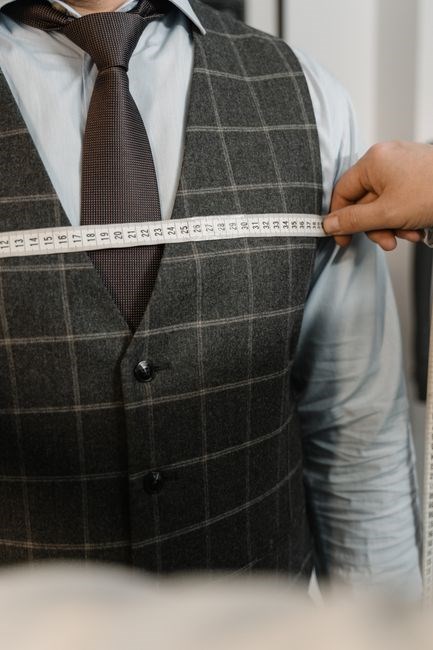
Accurate belt sizing starts with a simple measurement․ Begin at the fold where the buckle sits‚ then extend to the most-used hole․ This length‚ plus the buckle’s width‚ determines the final size․ Follow the chart to match inches or metric units for a flawless fit․ Measure twice‚ cut once‚ enjoy great fit
Understanding Belt Components
A belt consists of a buckle‚ a strap‚ fastening holes‚ and a frame that anchors the buckle․ The buckle’s shape and material affect both style and strength‚ while the strap’s width and material determine comfort․ The holes allow for adjustable fit‚ and the frame ensures stability․ It supports buckle fit․
The Buckle
The buckle is the heart of any belt‚ serving as both a functional fastening and a style statement․ It typically consists of a frame‚ a prong‚ and a backing plate․ The frame holds the strap in place‚ while the prong slides through the chosen hole to secure the belt․ The backing plate‚ often made from metal or sturdy plastic‚ provides a smooth surface that prevents the strap from slipping or fraying!
When measuring a belt‚ the buckle’s width is a critical factor․ The standard measurement starts at the fold where the strap meets the buckle’s frame‚ extending to the opposite edge of the buckle’s frame․ This distance‚ combined with the strap’s length‚ determines the overall belt size․ A wider buckle can add extra inches to the total measurement‚ so it’s essential to account for this when selecting a belt that will fit comfortably․ The buckle’s width to two inches to the belt length; measure․
Materials vary widely: leather buckles exude classic elegance‚ metal buckles offer durability‚ and plastic buckles are lightweight for casual wear․ Material choice affects the belt’s aesthetic‚ weight‚ and feel against the body․ A heavy metal buckle feels substantial‚ while a lightweight plastic buckle feels more comfortable for long wear․
Style also plays a role․ Decorative buckles—whether ornate or minimalist—can become a focal point․ Functional designs‚ such as quick‑release or adjustable buckles‚ offer convenience․ Understanding the buckle’s role helps you choose a belt that balances practicality with flair‚ ensuring a secure fit polished appearance․
The Strap or Belt Length
Measuring the strap accurately is essential for a comfortable fit․ Begin by locating the fold where the strap meets the buckle․ From this point‚ extend the measurement along the strap to the hole you use most frequently․ This distance represents the strap’s usable length․ Remember that the buckle’s width adds to the overall size‚ so include it in your final calculation․ For belts purchased without a buckle‚ start at the fold and measure to the chosen hole; the buckle’s absence means the strap length alone determines the size․ When converting units‚ use a reliable chart: 1 inch equals 2․54 centimeters․ Always double‑check your measurement to avoid buying a belt that is too short or too long․ A belt that is too short will feel tight and may cause discomfort‚ while one that is too long can become untidy․ Proper measurement ensures the belt sits at the right point on your waist‚ providing both support and style․ Keep the strap straight and free of twists during measurement․ If the strap is made of leather‚ allow a slight stretch; synthetic materials may not stretch as much․ Finally‚ compare your measured length to the standard size chart to find the best match․ A well‑measured belt enhances confidence and completes any outfit․
Remember‚ the strap’s length may vary slightly depending on material flexibility and wear․ Leather tends to stretch over time‚ while synthetic straps hold their shape․ Allow a small margin for adjustment‚ for example now․ This ensures the belt stays snug without digging into your waist․ It belt secure now․

Step-by-Step Measurement Process
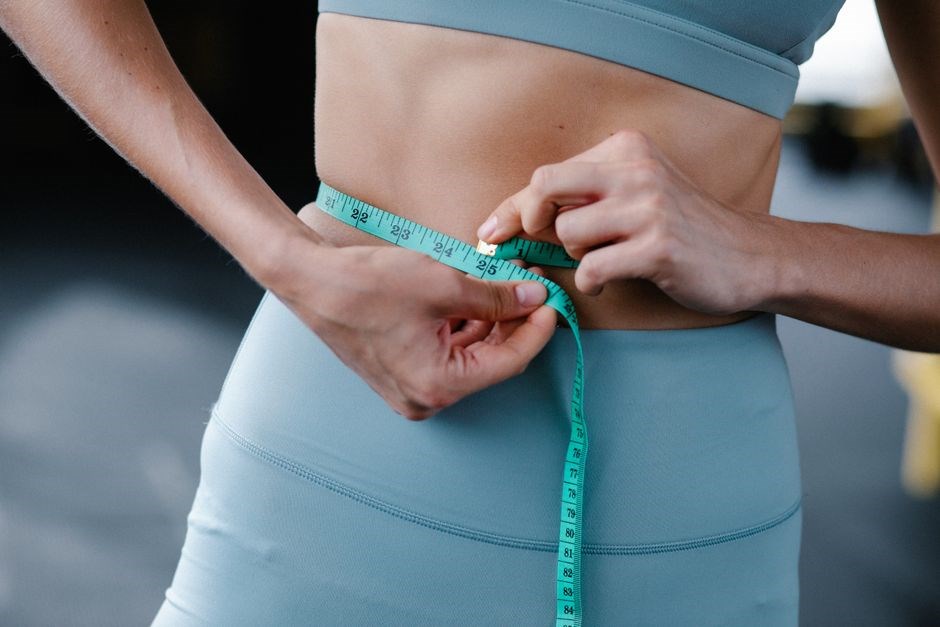
Start by placing the belt on your waist‚ aligning the buckle with the middle hole․ Measure from the fold to the chosen hole‚ noting the distance․ Add the buckle width‚ then compare the total to the size chart․ Repeat for accuracy․ Follow these steps for a fit․ Now
Measuring the Strap Alone
When buying a belt strap without a buckle‚ the measurement starts at the fold where the buckle would normally sit․ This fold is the point where the strap doubles back over the buckle‚ creating a neat crease․ From that crease‚ stretch the strap straight out to the hole you use most frequently when wearing the belt․ The distance you record is the strap’s length in inches or centimeters‚ depending on your preference․ It’s essential to keep the strap taut and free of any twists or kinks during measurement‚ as these can distort the true length․ If you’re measuring a new strap‚ lay it flat on a smooth surface‚ align the fold with the starting point‚ and use a ruler or measuring tape to capture the exact span to the chosen hole․ For a quick reference‚ remember that most standard belts are sized so that the strap length plus the buckle width equals the overall belt size․ Therefore‚ if you know the buckle width‚ you can add it to the strap length to verify the final belt size․ Always double‑check your measurement by comparing it against a reliable belt size chart․ This ensures that the strap will fit comfortably across your waist and accommodate the selected hole without excess slack or tightness․ A properly measured strap will provide a secure fit‚ reduce wear on the belt‚ and maintain a polished appearance in any outfit․ Follow these steps carefully‚ and you’ll have the right strap length for a perfect fit․ Measure accurately to avoid a belt that feels too tight!!!?!
Measuring with the Buckle in Place
When you have the buckle attached‚ the measurement process changes slightly․ Start at the back of the buckle where the strap folds over the metal plate․ From that point‚ run the strap straight along the belt’s length to the hole you use most often․ The total distance from the buckle’s fold to the chosen hole gives you the full belt length‚ including the buckle’s width․ Keep the strap taut and avoid any slack or twists that could inflate the measurement․ After you’ve taken the reading‚ compare it to a standard belt size chart to ensure the belt will fit your waist comfortably․ If you prefer metric units‚ simply convert the inches to centimeters using the conversion guide․ Remember that a correctly measured belt with buckle in place will provide a snug‚ secure fit without excess slack‚ and it will stay in place during movement․ This method is especially useful when purchasing a complete belt set or when you need to confirm that a replacement buckle will match the original strap length․ Accurate measurement guarantees a polished look and long‑lasting comfort․ To ensure precision‚ always use a flexible measuring tape and keep it level․ When measuring‚ avoid stretching the belt; it should lie flat without tension․ If the belt feels too loose‚ try a different hole or adjust the buckle’s position․ For a quick visual check‚ compare the belt’s length to your waist measurement․ Remember that a well‑fitted belt not only looks good but also supports your posture and comfort․ Use a ruler for exactness․ And check․
Interpreting Belt Size Charts
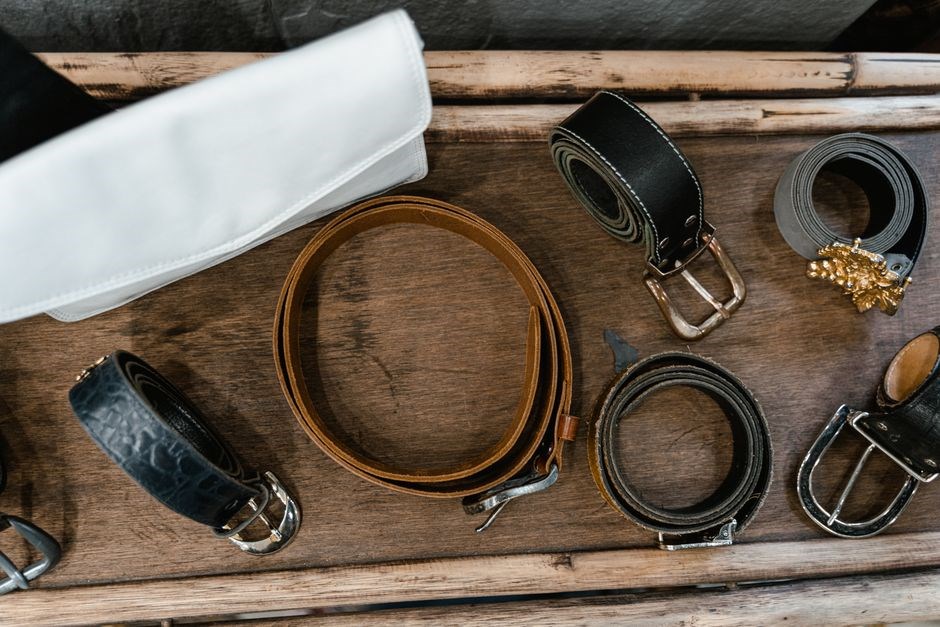
Standard charts list belt length in inches‚ matching waist size plus two inches․ Use the chart to find your belt size by measuring from the buckle fold to the chosen hole․ Convert to metric by multiplying inches by 2․54․ Always double‑check for fit․ Enjoy fit‚ always․!!
Standard Belt Size Chart (inches)
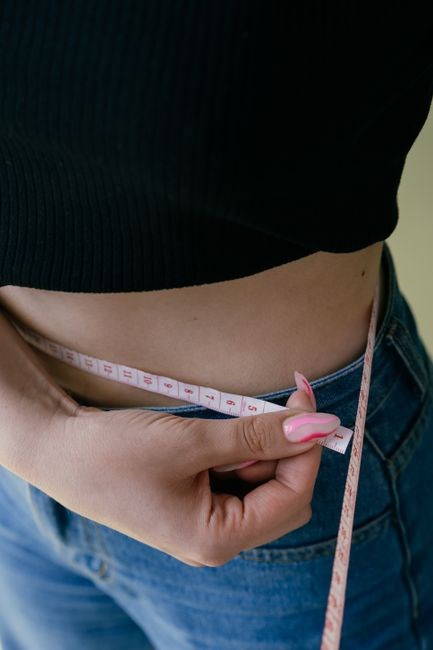
Below is a concise reference that aligns belt length with waist measurements in inches․ The chart assumes a typical two‑inch overshoot rule‚ meaning the belt should extend roughly two inches beyond the waist size for a comfortable fit․ Use the table to locate the belt length that matches your waist or the length of an existing belt you wish to replicate․
- Waist 28” – Belt 30”
- Waist 30” – Belt 32”
- Waist 32” – Belt 34”
- Waist 34” – Belt 36”
- Waist 36” – Belt 38”
- Waist 38” – Belt 40”
- Waist 40” – Belt 42”
- Waist 42” – Belt 44”
- Waist 44” – Belt 46”
- Waist 46” – Belt 48”
- Waist 48” – Belt 50”
When measuring a belt‚ start at the fold where the buckle sits and extend to the hole you use most often․ This gives the raw strap length․ Add the buckle width (typically 1․5–2 inches) to determine the total belt size․ If the belt appears too long‚ trim the excess and re‑attach the buckle; if too short‚ add a new hole or use a longer strap․ Always double‑check the measurement before finalizing the purchase․
Different manufacturers may vary slightly in buckle width‚ so it’s wise to measure the buckle separately if you have a specific brand․ For leather belts‚ a 1․5-inch buckle is common‚ while nylon or canvas belts often use a 2-inch buckle․ Adjust the chart accordingly by adding the buckle width to the raw strap length․
If you prefer a tighter fit‚ subtract one inch from the recommended belt length; for a looser fit‚ add one inch․ Always test the belt on your pants before finalizing the purchase to ensure the desired comfort and appearance!!!
Conversion Guide (Metric)
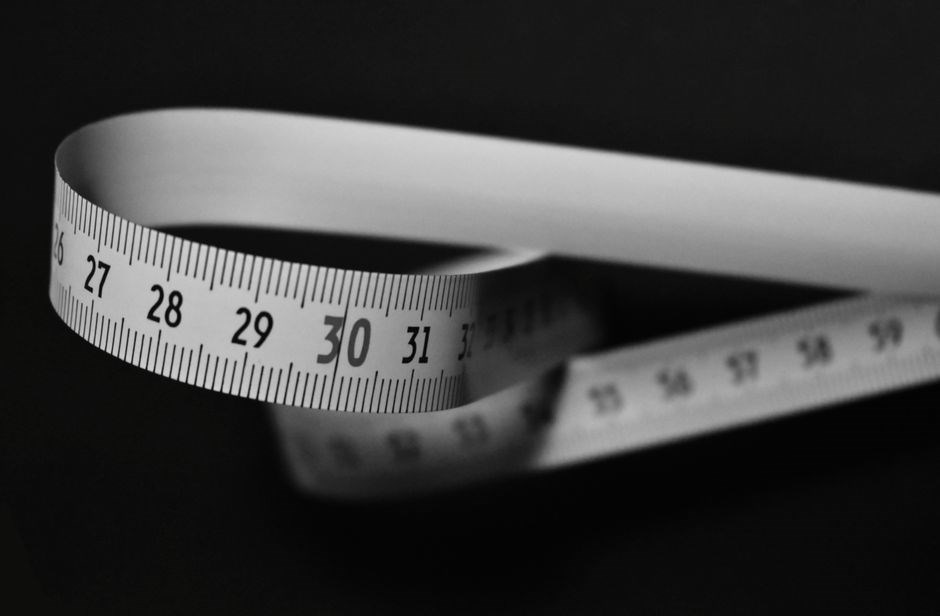
To convert belt measurements from inches to centimeters‚ multiply the inch value by 2․54․ This simple rule applies to both waist size and belt length․ For example‚ a 32‑inch belt equals 81․28 cm‚ and a 34‑inch belt equals 86․36 cm․ When you measure your belt from the fold to the most‑used hole‚ add the buckle width (usually 1․5–2 inches) before converting․ If you prefer a metric belt size‚ round to the nearest 0․5 cm to match standard manufacturing increments․
- Waist 28” → 71․12 cm → Belt 73․66 cm
- Waist 30” → 76․20 cm → Belt 78․74 cm
- Waist 32” → 81․28 cm → Belt 83․82 cm
- Waist 34” → 86․36 cm → Belt 88․90 cm
- Waist 36” → 91․44 cm → Belt 93․98 cm
- Waist 38” → 96․52 cm → Belt 99․06 cm
- Waist 40” → 101․60 cm → Belt 104․14 cm
- Waist 42” → 106․68 cm → Belt 109․22 cm
- Waist 44” → 111․76 cm → Belt 114․30 cm
- Waist 46” → 116․84 cm → Belt 119․38 cm
- Waist 48” → 121․92 cm → Belt 124․46 cm
- Waist 50” → 127․00 cm → Belt 129․54 cm
When converting‚ remember that the buckle adds extra length․ A standard 1․5‑inch buckle (3․81 cm) is added to the raw strap length․ For a 32‑inch belt‚ the strap is 30 inches (76․20 cm); add 3․81 cm to get 80․01 cm total․ Adjust for your specific buckle width by adding the appropriate centimeter value․ This conversion ensures you match the belt to your waist in metric units accurately․
Metric conversion references are in the manual‚ giving precise belt sizing for all customers․ for all users!!․
Common Measurement Mistakes and How to Avoid Them
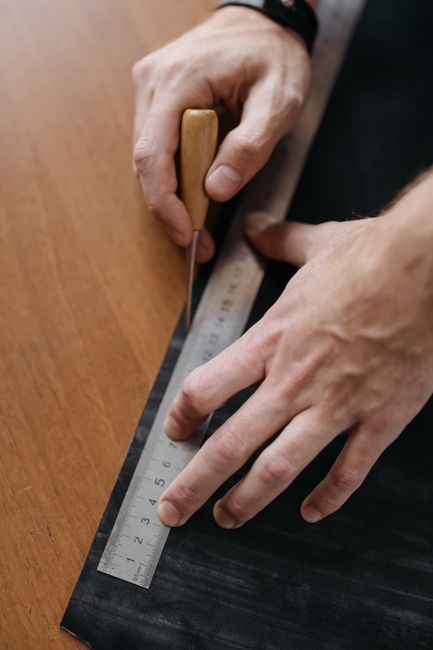
Avoid missteps by checking the fold‚ using the correct hole‚ and accounting for buckle width․ Measure from the fold to the most‑used hole‚ then add the buckle’s width․ Double‑check with a ruler‚ and compare to the size chart to ensure a snug‚ fit․!!
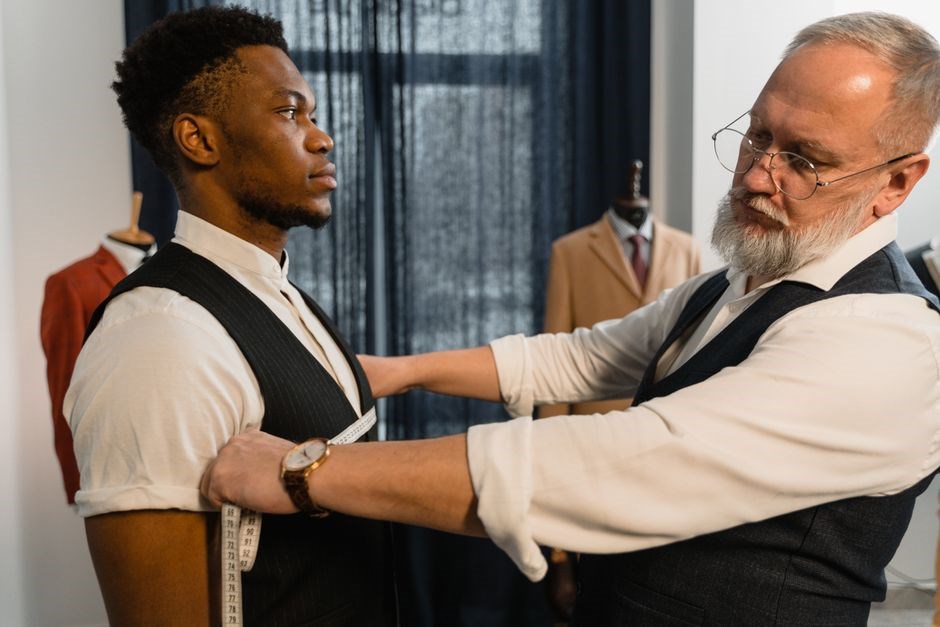
Forgetting the Fold
When measuring a belt‚ the fold—where the strap meets the buckle—is the critical starting point․ Skipping this spot leads to an oversized belt that will slip or feel loose․ Begin by locating the crease that naturally forms when the belt is fastened․ From that crease‚ measure straight along the strap to the hole you use most often․ This length reflects the true strap length․ If you forget the fold‚ you’ll add extra inches‚ causing the belt to sit high on the waist or require a larger buckle․ Always double‑check the fold by gently pulling the strap to see where it naturally folds․ Use a flexible ruler or tape measure‚ keeping the strap flat․ After measuring‚ consult the size chart to match the length to the appropriate belt size․ Remember‚ the fold is the anchor point; ignoring it means the belt won’t fit properly‚ no matter how accurate the rest of the measurement․ In practice‚ many people measure from the end of the belt instead of the fold‚ which can add an extra 1–2 inches․ This subtle error often goes unnoticed until the belt is worn‚ causing discomfort․ To avoid it‚ place a small marker or a piece of tape at the fold before measuring․ This visual cue ensures you start at the correct point every time․ Additionally‚ remember that the fold may shift slightly when the belt is tightened‚ so measure with the belt loosely fastened to capture the natural fold position․ By consistently starting at the fold‚ you guarantee a precise measurement that translates into a comfortable fit․ For example‚ if your waist measures 32 inches‚ the belt length you should aim for is typically 34 inches‚ accounting for the fold and buckle․ If you inadvertently measure from the end‚ you might record 36 inches‚ leading to a belt that is two inches too long․ A quick trick is to fold the belt in half and measure the distance from the fold to the middle of the belt; this gives a rough estimate of the full length․ Always verify with the official size chart before purchasing a new belt or strap․ Consistency in measurement technique saves time and ensures a perfect fit every time․ Remember‚ the fold is the pivot; misreading it leads to a belt that drags or pulls․ If you’re buying a strap only‚ start the measurement at the fold‚ not the buckle‚ to avoid over‑length․
Using the Wrong Hole
When a belt has an odd number of holes‚ the central hole usually offers the most balanced fit․ Choosing a hole too far left raises the belt‚ creating a waist bulge‚ while a hole too far right makes it feel slack․ Aim for a snug yet flexible fit that moves comfortably․
Remember‚ the belt should allow a slight give when you bend‚ ensuring both comfort and style․ Stay snug․ Always․
In practice‚ the choice of hole can also influence the belt’s aesthetic․ A belt that sits too high may expose the waistband‚ while one that sits too low can create a double‑layered look that looks unpolished․ Many designers recommend fastening to the third or fourth hole from the buckle for a classic silhouette; However‚ personal preference and garment style can shift that recommendation․ For example‚ a slim‑fit suit may benefit from a tighter belt‚ whereas a casual pair of jeans might look better with a slightly looser belt․ It’s also worth noting that some belts have a “hidden” hole that is not immediately visible; using this can provide a cleaner line․ When in doubt‚ try the belt on in front of a mirror‚ adjust to the hole that feels most natural‚ and check the overall balance․ A well‑chosen hole ensures that the belt stays in place‚ the waistline remains smooth‚ and the outfit retains its intended look․
Finally‚ remember that a belt’s length can be adjusted slightly by trimming the strap if you have a spare buckle․ This small tweak can make a big difference in comfort and style