
Guide de coupe pour scie circulaire ensures precision cuts up to 110 cm. Made from daluminium alloy with rubberized clamp face, it fits both corded and battery‑powered saws. Ideal for longitudinal, transverse, or miter cuts, it offers reliable accuracy. Fits many now.
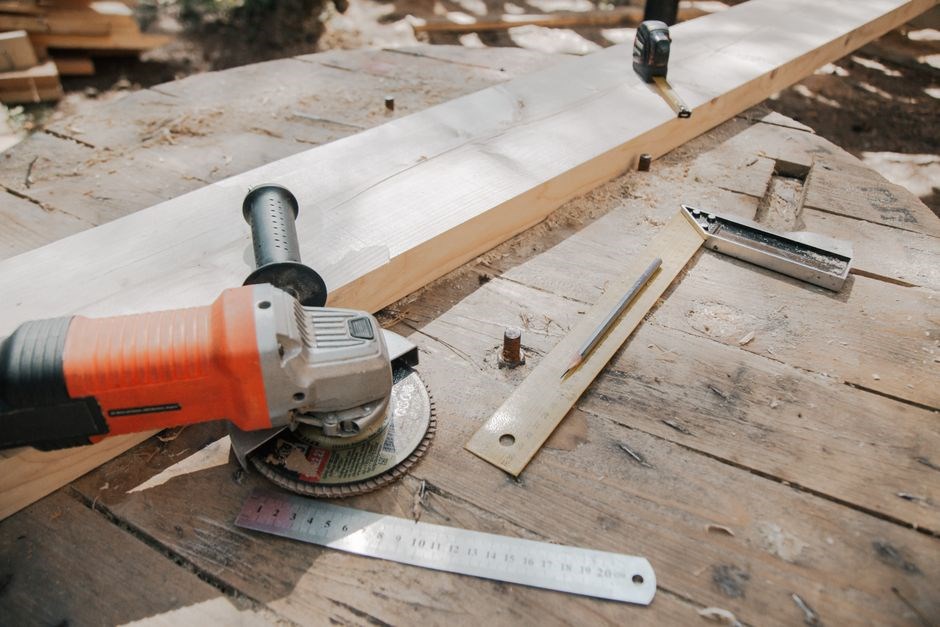
Types of Cutting Guides for Circular Saws
Guide de coupe pour scie circulaire offers straight, edge‑clamping, and transverse guides. Straight guide aids straight cuts; edge‑clamping secures blade; transverse allows 45° or 90° angled cuts. Ideal precision tool
Straight Cutting Guide (Guide de Coupe Droite)
Designed for straight cuts, the guide de coupe droite provides a rigid, flat surface that keeps the saw blade perfectly aligned. Constructed from a lightweight daluminium alloy, it balances durability with ease of handling, making it suitable for both hobbyists and professionals. The rubberized clamping face offers a secure grip on a variety of workpieces, from softwood to hardwood, preventing slippage during operation. With a maximum cutting length of 110 cm, it accommodates most standard circular saw blades, whether powered by cord or battery. The guide’s precision markings allow for accurate measurement and repeatable cuts, while the integrated locking mechanism ensures the blade stays in place throughout the cutting process. Its compact design fits easily into tight workspaces, and the smooth edges reduce vibration, enhancing overall cutting quality. Whether you’re performing long, straight cuts or fine detail work, this straight cutting guide delivers consistent results with minimal effort. Its lightweight construction allows for repositioning during multi‑pass cuts, while the handle provides a grip that reduces fatigue on projects. The guide’s modular mounting system is compatible with a wide range of saw models, and clear, laser‑etched reference lines ensure that every cut starts exactly where intended.
Edge Clamping Guide (Guide de Bord de Serrage)
Edge clamping guides are engineered to secure the workpiece along its perimeter, ensuring that the circular saw blade remains true to the intended path. Constructed from a daluminium alloy, the guide offers a lightweight yet robust frame that can be mounted on a variety of boards. The rubberized clamping face provides a firm grip, preventing the material from shifting during the cut. With a maximum cutting length of 110 cm, it accommodates most standard blades, whether the saw is powered by cord or battery. The guide’s design includes a series of precision‑etched reference lines that allow the user to set the exact distance from the edge, making it ideal for repeatable cuts. The locking mechanism secures the blade in place, reducing vibration and increasing accuracy. Its compact profile fits easily into tight workspaces, and the ergonomic handle reduces hand fatigue during prolonged use. Compatibility with a wide range of saw models is achieved through a modular mounting system, and the guide’s smooth edges minimize chatter. Whether you’re trimming a sheet of plywood or preparing a frame, the edge clamping guide delivers consistent, straight cuts with minimal effort. The guide’s durability and ease of use make it a staple for both DIY enthusiasts and professional carpenters alike. To install, simply clamp the guide to the edge of the workpiece using the built‑in clamps, then align the saw blade with the guide’s reference marks for a flawless cut. The guide’s adjustable depth setting allows you to control the cutting depth precisely, which is especially useful when working with thick panels. Its smooth, non‑abrasive surface also protects the blade from wear.
Transverse Cutting Guide (Guide de Coupe Transversale)
The transverse cutting guide, often called a guide de coupe transversale, is designed to enable precise cross cuts at 90° or 45° with a circular saw. It is a staple in hobbyist and professional workshops, offering a reliable method for clean, straight cuts without complex jig setups. The guide’s construction features a durable daluminium alloy frame and a rubberized clamping face that secures the workpiece firmly. Before cutting, ensure the rule or straightedge is properly affixed to the material; this prevents lateral movement that could compromise accuracy. Use clamps to hold the rule in position, maintaining a stable reference line during the cut. Align the saw blade with the guide’s marked line; accurate alignment is critical to avoid skewed or uneven cuts. The guide includes a depth adjustment feature, allowing the user to set the exact cutting depth, useful when working with thicker boards or specific depth requirements. Its ergonomic handle and smooth edges reduce fatigue and blade chatter, contributing to efficient workflow. By securing the rule, clamping it firmly, aligning the blade with the guide’s markings, and adjusting depth as needed, users can achieve repeatable, high‑quality transverse cuts with minimal effort. The guide’s design ensures it can be easily repositioned between cuts, saving time and reducing the risk of misalignment. Additionally, the guide’s modular mounting system allows attachment to saw models, enhancing versatility.
Key Features and Specifications
Key features: 110 cm max cut length, daluminium alloy frame, rubberized clamp face, ergonomic NGX Deluxe and Kreg variants. Blade compatibility spans corded and battery saws. Precision, durability, easy adjustment, and quick mounting for efficient workflow. 2026 2026
Maximum Cutting Length and Blade Compatibility
The guide de coupe for circular saws is engineered to accommodate a maximum cutting length of 110 cm, ensuring users can perform cuts with confidence. Its daluminium alloy frame provides rigidity while keeping the overall weight manageable. The rubberized clamping face offers a secure grip on hardwoods, softwoods, plywood, and composite panels, reducing slippage. Blade compatibility is broad: the guide accepts standard 7‑to‑10‑inch circular saw blades, including fixed‑blade and variable‑speed models. The mounting system is adjustable, allowing the guide to match the saw’s throat plate and accommodate 1‑inch and 1‑½‑inch blades. Users can slide the guide along the saw’s base plate, aligning the cutting line with the blade’s kerf. The guide’s markings are calibrated to blade sizes, and the adjustable clamp can be tightened or loosened with a tool‑free providing quick setup. For battery‑powered saws, the lightweight construction reduces torque demands, enabling smooth operation even at higher speeds. The guide’s compatibility extends to popular brands such as Bosch, DeWalt, Makita, and Milwaukee, making it a versatile accessory for professionals and hobbyists alike; The quick‑release feature allows rapid removal when switching blade types or adjusting cutting depth, useful in workshop environments where time efficiency matters.

Material Composition: Daluminium Alloy and Rubberized Clamping Face
The core of the guide de coupe for circular saws is a lightweight yet robust daluminium alloy frame, a composite of aluminum and magnesium that delivers high strength-to-weight ratio. This alloy resists corrosion, withstands repeated impact, and maintains dimensional stability across temperature swings. The front face of the clamp is engineered from a specialized rubberized compound that provides a non‑slip, high‑friction interface with the workpiece. The rubber is formulated to resist oils, solvents, and dust, ensuring a clean bite even on oily or damp boards. Italso features a quick lever for fast adjustments!! The design also incorporates a quick‑release lever that allows the user to disengage the clamp in seconds, facilitating rapid blade changes or adjustments. The entire assembly is engineered to meet ISO 9001 standards, and the materials are sourced from suppliers with traceable quality certifications. In practice, the guide works seamlessly with 7‑inch to 10‑inch circular saw blades, and the rubberized face ensures a clean cut on hardwoods, softwoods, plywood, and composite panels. The daluminium frame’s low weight reduces fatigue, making it ideal for both professional workshops and DIY enthusiasts who require repeatable accuracy and longevity in their cutting operations
Ergonomic Design: NGX Deluxe and Kreg Variants
The NGX Deluxe and Kreg variants of the circular saw cutting guide prioritize user comfort and precision. Both models feature a lightweight daluminium frame that reduces hand fatigue during extended use. The NGX Deluxe incorporates a built‑in quick‑release lever that allows the user to disengage the clamp in a single motion, eliminating the need for additional tools. This lever is ergonomically positioned on the side of the guide, providing easy access even when the saw is in motion.
The Kreg variant offers a dual‑stage clamping system: a primary clamp for firm attachment and a secondary rubberized pad that ensures a smooth, slip‑free contact with the workpiece. The pad’s contour is designed to accommodate irregular surfaces, making it ideal for uneven boards or panels. Both guides include a finger‑friendly handle that is contoured to fit the natural grip, reducing strain on the wrist and forearm.
In addition, each guide is equipped with a set of adjustable locking screws that can be tightened or loosened without the use of tools, thanks to a self‑locking mechanism. This feature allows for rapid adjustments to accommodate different blade widths and material thicknesses. The ergonomic design also considers the placement of the guide’s markings, which are positioned within easy line of sight to minimize the need for the user to look away from the cutting line. Together, these features make the NGX Deluxe and Kreg variants highly suitable for both professional carpenters and hobbyists who demand comfort and accuracy in their cutting tasks.
Both guides fit 7‑inch and 10‑inch blades, enabling quick swaps without adjustment for all projects. daily!!

Installation and Alignment Techniques
the guide to the workpiece clamps. Align the saw with the guide’s cutting line, ensuring the blade sits on the marked edge. Keep the guide stable screws and using clamps if needed. This reduces wobble and improves accuracy
Securing the Guide to the Workpiece
When attaching a guide de coupe pour scie circulaire, start by placing the guide on the material so that the cutting edge aligns with the intended line. Use a rubberized clamp face to grip the workpiece firmly without slipping. The daluminium alloy body provides rigidity, ensuring the guide stays in place even under high torque. Secure the guide with the included screws or bolts, tightening them evenly to avoid warping. If the workpiece is thin or irregular, add additional clamps to keep the guide flat. Position the clamps at both ends of the guide to distribute pressure evenly. After securing, double‑check that the guide’s marking is still visible and that the blade sits precisely on the line. This step prevents drift during cutting and guarantees repeatable accuracy for both straight and angled cuts.
For optimal stability, always verify that the guide’s rubberized face is clean and free of debris before clamping. A dirty surface can cause slippage, especially on high‑speed cuts. When working with curved or irregular shapes, consider using a flexible guide extension that follows the contour while maintaining a straight cutting path. Adjust the clamp pressure gradually; over‑tightening can distort the guide, while under‑tightening may allow micro‑movement. Replace any worn components preserve cutting accuracy and prolong the guide’s service life.
Aligning the Saw with the Guide Markings
To achieve a straight cut, first ensure the guide de coupe is firmly clamped to the workpiece as described above. Then, line up the saw’s blade with the guide’s marking. Most daluminium alloy guides feature a clear, engraved line that indicates the exact cutting path. Place the saw’s base plate so that the blade sits directly over this line. Use a small level or a straight edge to confirm the saw is perpendicular to the guide. If the blade is slightly offset, adjust the saw’s base plate or the guide’s position by a few millimeters until the blade aligns perfectly with the marking. For angled cuts, rotate the guide to the desired angle and re‑align the blade accordingly. Always double‑check the alignment before starting the cut, as any misalignment will result in a warped or uneven edge. Consistent practice with this method will improve precision and reduce waste. After aligning, it is prudent to run a test cut on a scrap piece to confirm the guide’s accuracy. Measure the cut depth and check for any deviation from the guide’s line. If the saw’s blade has a slight wobble, adjust the guide’s clamp pressure or reposition the guide to eliminate the play. Document the alignment settings for future jobs, ensuring that the same reference points are used each time. Consistent documentation reduces setup time and guarantees repeatable results across multiple projects precision.!.
Using Clamps and Screws for Stabilization
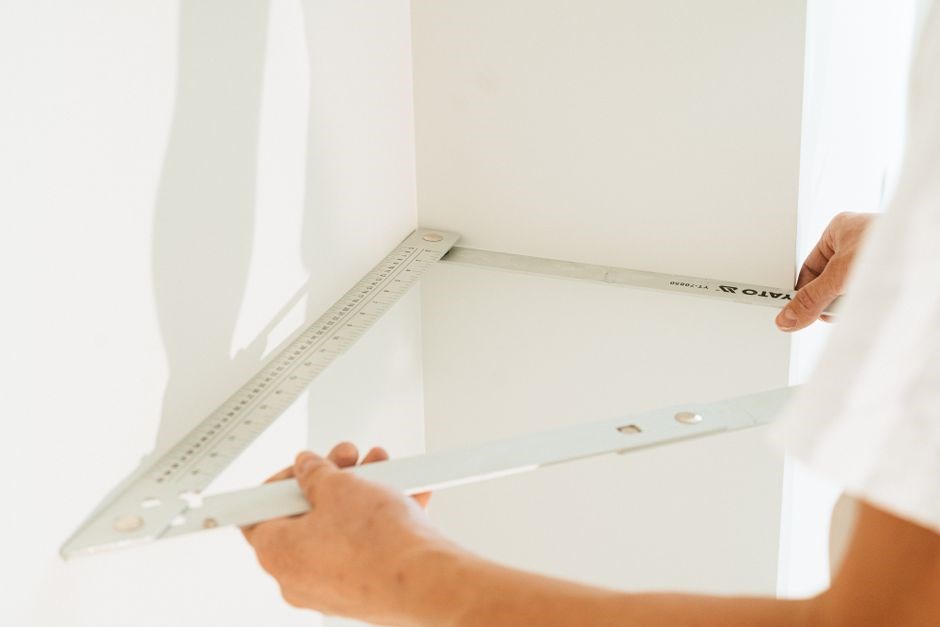
Securing the guide de coupe to the workpiece is essential for accurate cuts. Begin by placing the daluminium alloy guide on the material and marking the desired cut line. Use a combination of C‑clamps and self‑drilling screws to hold the guide firmly in place. The rubberized clamp face provides a non‑slip surface, but the clamps add extra pressure that prevents any movement during the cut. Position the clamps at equal distances along the guide’s length; for a 110 cm guide, place one clamp near the 30 cm mark and another near the 80 cm mark. Tighten each clamp until the guide feels taut but not distorted. When using screws, drill pilot holes through the guide’s mounting slots and insert 4 mm stainless‑steel screws. Tighten them with a torque wrench set to 15 Nm to avoid over‑tightening, which could damage the guide’s surface. After the guide is secured, double‑check that the blade aligns with the guide’s markings. A stable setup reduces vibration, improves cut quality, and extends the life of both the saw and the guide. Remember to release the clamps only after the cut is complete to avoid accidental movement of the workpiece. Use a straightedge to verify the guide’s flatness before clamping. Apply a clamp gauge to ensure uniform pressure across the guide. Tighten screws in a crisscross pattern to distribute force evenly, carefully.

Maintenance, Replacement, and Where to Buy
Clean the guide de coupe after use, wipe with a damp cloth. Inspect for scratches; replace worn parts like the rubberized clamp face or guide rails. Parts available at Leroy Merlin, Cdiscount, and specialty suppliers for quick replacement and accuracy. and longevity!!
Cleaning and Inspecting the Guide
After each cutting session, remove the guide from the workpiece and wipe the daluminium alloy body with a soft, damp cloth to eliminate sawdust. Inspect the rubberized clamping face for signs of wear or cracking; a smooth, unblemished surface ensures consistent pressure on the blade. Check the guide rails for burrs or dents that could misalign the saw; use a fine‑grit sandpaper to polish any imperfections. Verify that the mounting screws remain tight; loosened fasteners can cause the guide to shift during use, compromising accuracy. If the guide’s markings become faded, gently polish them with a mild abrasive pad to restore visibility. Store the guide in a dry, temperature‑controlled area to prevent corrosion of the alloy. Regular maintenance extends the guide’s lifespan and maintains cutting precision.
When inspecting, also check the alignment marks on the guide; worn marks can mislead the saw. Use a straightedge to verify that the guide rails are parallel to the cutting edge. If any wobble is detected, replace the guide or adjust the mounting screws. Keep a log of maintenance dates to track wear patterns over time. This proactive approach helps avoid unexpected failures during critical projects.
Finally, before reattaching, ensure the guide’s rubberized face is free of debris; a clean contact surface guarantees the blade stays centered, preventing kickback and ensuring safety. OK
Maintain these practices for long‑term reliability.
Replacing Guide Parts: Chain Guides and Accessories
When the original guide’s wear reduces the 110 cm cutting length, replace it with a new chain guide. A popular choice is the Einhell 4500363 guide, 25 cm long and 1.3 mm thick. Its daluminium alloy core offers durability, while the rubberized clamping face grips the blade firmly. Install by sliding the guide onto the saw’s rail, aligning the markings, and securing it with the supplied screws. Tighten until snug but not over‑tightened, which could damage the rail.
Accessories such as replacement clamps, mounting plates, and alignment markers extend the system’s life. Precision clamps keep the guide level; laser‑aligned markers provide a quick visual cue for exact cut placement. If the rails develop burrs, a fine‑grit sanding block restores smoothness, preventing chatter. Always verify that any replacement part matches the saw’s model and blade size; compatibility is key to safety and accuracy.
Retailers like Leroy Merlin, Cdiscount, and specialty suppliers offer a range of chain guides and accessories. Online marketplaces often list user reviews, helping you choose the best fit for your project. When ordering, double‑check the product specifications—especially length and thickness—to ensure a perfect match. By regularly replacing worn components and adding the right accessories, you keep your circular saw cutting with the same precision it had when first purchased.

Additionally, use a dedicated guide cleaning brush to remove fine dust from the rail grooves. Dust accumulation can cause the guide to shift, leading to inaccurate cuts. A quick brush sweep before each use keeps the contact surface clean and extends the guide’s service life. For heavy‑duty projects, a thicker guide with a reinforced core may be preferable, though it will increase overall weight. Balance durability and maneuverability based on your typical work environment.
Retail Sources: Leroy Merlin, Cdiscount, and Specialty Suppliers
When searching for a guide de coupe pour scie circulaire, the first stop is usually Leroy Merlin. Their current catalogue lists 188 distinct offers, 214 offers, and a variety of promotions, all ready for rapid delivery to nearby stores. The retailer’s online platform highlights the 110 cm daluminium alloy guides and the Einhell 4500363 chain guide, with clear compatibility notes for both corded and battery‑powered saws. Prices are competitive, and the site offers customer reviews that help you gauge real‑world performance.

Cdiscount provides a complementary selection, featuring a wide range of guide sizes and materials. The site’s filtering tools let you narrow down by blade type, length, and brand. Many listings include free shipping options, and the platform’s “best‑price” badge guarantees you won’t pay more than necessary. Customer ratings and Q&A sections are useful for confirming fitment with specific saw models.
Specialty suppliers such as Tool‑Depot, Saw‑Parts‑Direct, and local hardware shops focus on high‑end accessories. They often carry the NGX Deluxe and Kreg variants, plus replacement clamps and alignment markers. These outlets typically offer expert advice, and some provide in‑store demos or workshops. For advanced users, the suppliers’ technical support can help you select the exact guide thickness and clamping face needed for your project.
Regardless of where you shop, always verify the guide’s length, blade compatibility, and clamping face material. A quick check against the saw’s specifications ensures a safe, accurate cut. By comparing Leroy Merlin’s bulk offers, Cdiscount’s price‑matched selection, and the specialist knowledge of niche suppliers, you’ll find the perfect guide de coupe pour scie circulaire for any job.